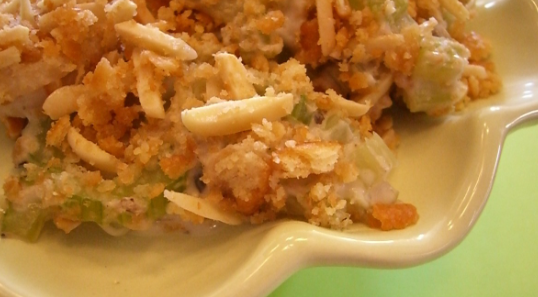
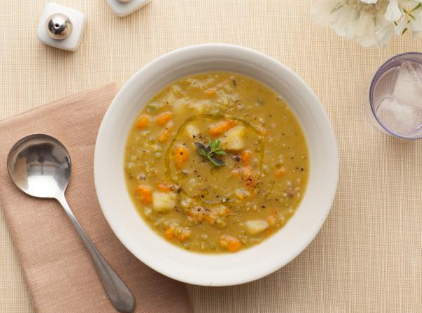
Celeriac, also known as “celery root,” is a unique and versatile root vegetable prized for its distinct flavor and culinary uses. Despite its knobby, rough exterior, celeriac offers a delicate and nutty taste that is reminiscent of celery, making it a flavorful addition to a variety of dishes. This vegetable can be enjoyed both raw and cooked and is celebrated for its ability to add depth and complexity to soups, stews, salads, and purees.
Celeriac has a long history dating back to ancient times, with its origins believed to be in the Mediterranean region. It is closely related to celery, and both plants belong to the same botanical family, Apiaceae. Celeriac’s history is intertwined with that of celery, as they share a similar flavor profile and were likely cultivated and used in similar ways.
The cultivation and use of celeriac spread throughout Europe over the centuries, becoming a staple in European cuisine. It gained popularity for its unique flavor and versatility in cooking. The French, in particular, have a strong affinity for celeriac, and it is often used in classic French dishes.
Celeriac made its way to North America with European immigrants, where it found a place in both traditional and contemporary American cooking. Today, celeriac is cultivated in various regions worldwide, but it remains especially popular in Europe, where it is considered a winter vegetable and is featured prominently in dishes from France to Eastern Europe.
One of the most famous and beloved preparations of celeriac is the French dish “Céleri Rémeoulade,” in which celeriac is grated and then dressed with a mayonnaise-based sauce flavored with mustard and herbs. This dish showcases the vegetable’s crisp texture and unique flavor while highlighting its culinary adaptability.
In addition to being used in salads, celeriac is commonly used to add depth and flavor to soups and stews. Its mild, celery-like taste enhances the savory character of these dishes, making it a valuable ingredient in traditional French cuisine, as well as in various Eastern European and Mediterranean recipes.
Celeriac is also prized for its ability to be transformed into smooth and creamy purees, often served as a side dish alongside roasted meats or poultry. The puree is created by cooking the celeriac until tender and then mashing or blending it with butter, cream, or milk, creating a luxurious and flavorful accompaniment.
In recent years, celeriac has gained recognition as a versatile and nutritious vegetable suitable for various dietary preferences, including vegan and gluten-free diets. Its adaptability in both raw and cooked applications, along with its unique flavor profile, makes celeriac a beloved ingredient in contemporary cuisine.
INGREDIENTS
For Celeriac Remoulade:
- 1 medium celeriac (celery root), peeled and grated
- 1/2 cup mayonnaise
- 2 tablespoons Dijon mustard
- 1 tablespoon red wine vinegar
- 1 tablespoon lemon juice
- 1 teaspoon sugar
- Salt and black pepper to taste
- Fresh parsley or chives for garnish (optional)
For Celeriac Puree:
- 1 medium celeriac (celery root), peeled and cut into 1-inch cubes
- 2 tablespoons butter or olive oil (for a vegan option)
- 1/4 cup heavy cream or vegetable broth (for a vegan option)
- Salt and white pepper to taste
INSTRUCTIONS
Making Celeriac Remoulade:
- Peel and Grate Celeriac:
- Peel the celeriac using a sharp knife or a vegetable peeler. Cut it into manageable pieces and use a box grater or a food processor with a grating attachment to grate the celeriac into fine shreds.
- Prepare the Remoulade Sauce:
- In a mixing bowl, combine the mayonnaise, Dijon mustard, red wine vinegar, lemon juice, sugar, salt, and black pepper. Whisk the ingredients together until the sauce is well combined and smooth.
- Mix and Serve:
- Add the grated celeriac to the remoulade sauce and toss until the celeriac is well coated with the sauce.
- Chill and Garnish (Optional):
- Cover the remoulade and refrigerate for at least 30 minutes to allow the flavors to meld. Before serving, garnish with fresh parsley or chives, if desired.
Making Celeriac Puree:
- Prepare the Celeriac:
- Peel the celeriac and cut it into 1-inch cubes.
- Cook the Celeriac:
- Place the celeriac cubes in a saucepan and cover them with water. Add a pinch of salt.
- Bring the water to a boil, then reduce the heat to a simmer. Cook the celeriac for about 15-20 minutes, or until it is fork-tender.
- Drain and Mash/Blend:
- Drain the cooked celeriac and return it to the saucepan.
- Add the butter or olive oil and the heavy cream or vegetable broth.
- Use a potato masher or an immersion blender to mash or blend the celeriac until it reaches your desired level of smoothness. You can make it as smooth or slightly chunky as you prefer.
- Season and Serve:
- Season the celeriac puree with salt and white pepper to taste.
- Serve the puree hot as a side dish with roasted meats or poultry.
NOTES:
- Celeriac, with its nutty and celery-like flavor, offers a unique taste experience that can be enjoyed in a variety of culinary applications. Whether as a crisp and refreshing remoulade or a velvety puree, celeriac has earned its place as a versatile and flavorful ingredient in both classic and contemporary cuisine.