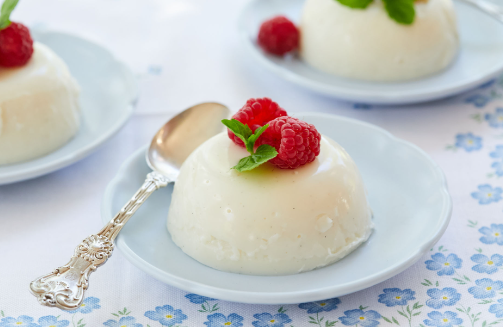
Making homemade yogurt is a rewarding and flavorful experience. While there are many great store-bought options available, nothing quite compares to the subtly sweet taste of homemade yogurt. Although the process requires some attention to temperature control, it is relatively easy to master. Whole milk is recommended for the richest yogurt, but you can use any type of milk you prefer. In this recipe, you’ll learn how to make a quart of homemade yogurt with just two simple ingredients.
MAKES: 1 quart
TIME: Overnight or longer, largely unattended
INGREDIENTS:
- 1 quart milk, preferably whole
- 1/2 cup natural yogurt (“with active cultures”), ideally at room temperature
INSTRUCTIONS:
- In a small to medium saucepan, heat the milk until it just reaches a boil. Then turn off the heat and allow the milk to cool to a temperature between 110-115°F (43-46°C). You can use an instant-read thermometer to check the temperature.
- Whisk the room temperature yogurt into the milk until well combined.
- Transfer the milk-yogurt mixture to a yogurt maker, a prewarmed thermos, or a heated bowl wrapped in a towel or blanket. The goal is to maintain a temperature of about 100°F (38°C). This can be achieved by using the appropriate equipment or finding a warm spot in your home.
- Once the mixture is set up in a warm place, let it sit undisturbed for at least 6 hours. After this time, check if the milk has transformed into yogurt by gently tilting the container. If it hasn’t set, let it continue to ferment for another 6 hours.
- Once the yogurt has reached the desired consistency, refrigerate it and use within 1 week.
YOGURT CHEESE:
- Yogurt cheese, also known as labneh, can be made from store-bought yogurt as well. Place the yogurt in a jelly bag or several layers of cheesecloth and suspend it over the sink or a large bowl. Allow it to drain for at least 6 hours, or longer for a cream cheese-like consistency. Use yogurt cheese as a substitute for cream cheese in various recipes.
IDEAS FOR FLAVORING PLAIN YOGURT:
Here are seven flavoring ideas to enhance the taste of plain yogurt:
- Honey
- Maple syrup
- Vanilla extract, with or without sugar
- Chopped nuts
- Preserves or jam
- Chutneys
- Spice blends
Experiment with these flavorings, starting with small amounts and adjusting to your preference. You can enjoy the flavored yogurt as it is or use it as a base for sauces, raitas, or other recipes. Get creative and explore different combinations to find your favorite yogurt flavors.
TIPS:
- It’s important to maintain the desired temperature during the fermentation process. If you don’t have a yogurt maker or a prewarmed thermos, you can create a warm environment by wrapping the bowl with the yogurt mixture in a towel or blanket and placing it in a turned-off oven with the oven light on.
- Avoid disturbing the yogurt during the fermentation period. Any movement or agitation can interfere with the setting process. Allow it to sit quietly and undisturbed for the recommended time.
- If the yogurt doesn’t set after the initial fermentation period, give it more time. Sometimes, it can take longer for the fermentation process to complete, especially in cooler environments.
- Once the yogurt is ready, refrigerate it promptly to halt the fermentation process and maintain its freshness. It is best consumed within one week to enjoy the optimal flavor and texture.
- To achieve a cream cheese-like consistency for yogurt cheese, you can let it drain for longer than 6 hours. The longer you let it drain, the thicker and creamier the yogurt cheese will become.