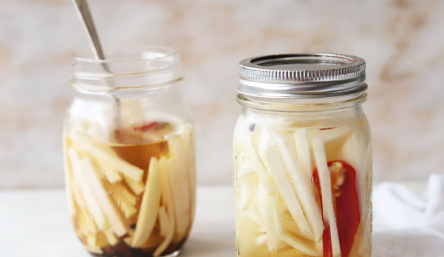
Sour German cabbage, also known as sauerkraut, is a traditional German fermented cabbage dish known for its tangy, sour flavor and crisp texture. This dish is made by fermenting cabbage with the help of beneficial bacteria, resulting in a sour and slightly crunchy condiment or side dish. Sour German cabbage is not only delicious but also known for its probiotic properties and its role as a staple in German and Eastern European cuisines.
The history of sour German cabbage, or sauerkraut, dates back centuries and is closely tied to the traditions of preserving vegetables through fermentation. The practice of fermenting cabbage and other vegetables likely originated in China over 2,000 years ago, eventually spreading to Europe.
The name “sauerkraut” is of German origin, with “sauer” meaning “sour” and “kraut” meaning “cabbage.” Sauerkraut was a valuable preservation method in regions where fresh vegetables were scarce during the winter months. By fermenting cabbage with salt, the lactic acid bacteria present on the cabbage leaves would naturally ferment the sugars in the cabbage, creating a sour and tangy product.
Sauerkraut became a dietary staple in Germany and throughout Eastern Europe, where it was not only enjoyed for its flavor but also recognized for its long shelf life and nutritional value. Sailors and explorers would often carry sauerkraut on long journeys, as the fermentation process prevented spoilage and provided a source of vitamin C, crucial for preventing scurvy.
In the United States, sauerkraut gained popularity among German immigrants and their descendants, particularly in the Midwest. It became a common side dish served alongside sausages, pork, and other hearty dishes.
Sauerkraut also has cultural significance, being associated with celebrations like Oktoberfest in Germany and traditional American holiday meals. It’s a versatile ingredient used in various recipes, including Reuben sandwiches, hot dogs, and even as a topping for grilled bratwurst.
In addition to its culinary uses, sauerkraut is celebrated for its probiotic benefits. The fermentation process produces beneficial probiotic bacteria that can contribute to gut health and digestion.
Today, sour German cabbage is enjoyed worldwide, not only for its historical and cultural significance but also for its unique, sour, and crunchy flavor that adds a delightful tang to a wide range of dishes.
INGREDIENTS
- 1 medium-sized head of green cabbage (about 2-3 pounds)
- 2 tablespoons kosher salt (non-iodized)
- Optional: Caraway seeds, juniper berries, or other flavorings for added aroma and taste
INSTRUCTIONS
- Prepare the Cabbage:
- Remove any wilted or discolored outer leaves from the cabbage. Cut the cabbage into quarters and remove the core.
- Shred the Cabbage:
- Using a sharp knife, mandoline, or a food processor with a shredding attachment, finely shred the cabbage. You can also do this by hand with a large knife, but be sure to make thin, uniform slices.
- Salt and Massage:
- Place the shredded cabbage in a large mixing bowl and sprinkle the kosher salt evenly over the top. Begin massaging the salt into the cabbage using your hands. The salt will draw moisture out of the cabbage, and you’ll start to see liquid forming in the bowl. Continue massaging for about 5-10 minutes until the cabbage becomes limp and releases more liquid.
- Pack into a Container:
- Transfer the salted cabbage and the liquid it has released into a clean, sterilized glass or ceramic container. Pack the cabbage down firmly, pressing it with your hands to remove any air pockets.
- Weight It Down:
- Place a clean, food-safe weight or a plate on top of the cabbage to keep it submerged in the liquid. This helps create an anaerobic environment for fermentation, preventing the growth of undesirable bacteria.
- Cover and Ferment:
- Cover the container with a clean cloth or plastic wrap, securing it with a rubber band or a string. This allows gases to escape during fermentation. Place the container in a cool, dark location, ideally at around 65-70°F (18-21°C), to ferment. Fermentation can take anywhere from 1 to 4 weeks, depending on your desired level of sourness.
- Check and Taste:
- Check the sauerkraut regularly during fermentation. Taste it after the first week and continue to do so until it reaches your preferred level of sourness. If any mold or scum forms on the surface, simply skim it off.
- Store in the Refrigerator:
- Once the sauerkraut has fermented to your liking, remove the weight and cover it with a lid. Store it in the refrigerator, where it will continue to ferment very slowly, but at a much slower pace. Properly refrigerated, sauerkraut can last for several months or more.
NOTES:
- Sour German cabbage, or sauerkraut, is a versatile and delicious condiment that adds a delightful tang to a variety of dishes. Its rich history, cultural significance, and probiotic benefits make it a favorite among those who appreciate the art of fermentation and traditional culinary practices.