The art of crafting a delectable soup reaches a pinnacle of excellence with the incorporation of well-chosen thickenings. These ingredients, when applied skillfully, transform a flavorful broth into a heartwarming and satisfying dish. As previously advised, preparing soup a day in advance ensures its clarity and purity, eliminating unwanted fat and settlings. This recommendation paves the way for a delightful culinary experience, setting the stage for a symphony of textures and flavors. Whether your preference leans towards corn starch, sago, tapioca, pearl barley, rice, or the classic flour roux, the careful addition of thickenings enhances the soup’s character, making it a versatile masterpiece to delight the senses.
THICKENING OPTIONS:
- Corn starch
- Sago
- Tapioca
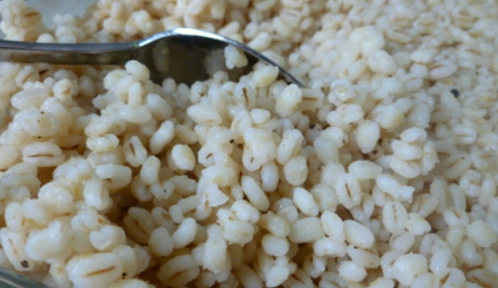
- Pearl barley
- Rice
- Flour roux (mixed according to directions on page 51)
- Note: A rich stock jelly may not require additional thickening.
PREPARATIONS:
- Prepare the chosen thickening ingredient according to its specific requirements.
- Just before serving, gradually add the thickening to the soup while stirring continuously.
- Adjust the thickness to your preference, keeping in mind that the soup will continue to thicken as it cools.
TIPS:
- Experiment with different thickenings to achieve varying textures and flavors in your soup.
- Be cautious not to over-thicken the soup, as it may become too dense.
Elevating the essence of soup lies in the artful incorporation of thickenings, a culinary technique that enhances its texture and taste. This final touch, performed just before serving, adds a layer of complexity that transforms a simple broth into a hearty and satisfying masterpiece. As we’ve previously discussed, the wisdom of preparing soup in advance ensures its purity, devoid of unwanted fats and settlings, providing the perfect canvas for your culinary creativity.
The array of thickenings at your disposal allows you to tailor the soup’s character to your liking. Whether you opt for the silky smoothness of corn starch, the subtle elegance of sago, the playful chewiness of tapioca, the rustic charm of pearl barley, or the comforting familiarity of rice, each choice contributes its unique essence.
For those who appreciate tradition, the flour roux stands as a classic thickening agent, skillfully prepared according to the guidelines outlined on page 51. Its creamy consistency and ability to seamlessly meld with the soup’s flavors make it a cherished technique passed down through generations.
It’s worth noting that a rich stock jelly, painstakingly crafted with time and precision, often possesses an inherent thickness that obviates the need for additional thickeners. This serves as a testament to the transformative power of well-simmered ingredients.
As you tread the path of incorporating thickenings, exercise a judicious hand to achieve the desired consistency. Gradually add the thickening to the soup, stirring diligently to avoid lumps and ensure even distribution. Remember that the soup’s thickness may continue to evolve as it cools, so strike a balance that aligns with your preferences.
Ultimately, the act of infusing thickenings into your soup pays homage to the craftsmanship of the culinary arts. It showcases your ability to balance various elements, from flavors to textures, while adding your own unique signature to every bowl. Whether you’re serving a comforting family dinner or hosting an elegant gathering, your skillful use of thickenings elevates the soup from a humble dish to a remarkable creation.
In conclusion, the addition of thickenings to soup is a practice steeped in tradition and culinary wisdom. Through the delicate interplay of diverse ingredients and techniques, you have the power to create a symphony of flavors that resonates with those who savor it. As you explore the vast realm of soup-making, remember that thickenings are your palette, allowing you to paint a culinary masterpiece that embodies your passion for the art of cooking.