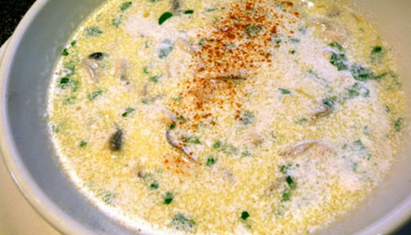
Spinach, with its vibrant color and nutrient-rich profile, is a versatile leafy green that lends itself to a range of culinary creations. From simple sides to elaborate presentations, spinach’s delicate flavor and soft texture make it a versatile ingredient. In this recipe, we’ll explore the process of transforming fresh spinach into a delectable dish. Whether sautéed with butter, served with hard-boiled eggs, or arranged as a standalone course, spinach offers a canvas for culinary creativity. Let’s dive into the steps of preparing tender spinach leaves, exploring how to enhance their taste and visual appeal through thoughtful presentation.
INGREDIENTS:
- Fresh spinach
- Water
- Salt
- Butter
- Pepper
- Hard-boiled eggs
- Lemon juice (if used as a garnish)
- Stock (if used as a garnish)
- Thin slices of buttered toast
PREPARATIONS:
- Wash the spinach leaves thoroughly to remove any dirt or debris.
SPECIAL INSTRUCTIONS:
- Place the washed spinach leaves in a pot with just enough salted boiling water to cover them.
- Cook the spinach until tender.
- Squeeze out excess water from the cooked spinach.
- Press the cooked spinach through a colander to create a smooth texture.
- Sauté the spinach briefly with a little butter, pepper, and salt.
- Serve the sautéed spinach with sliced hard-boiled eggs on top.
TIPS:
- Be cautious not to overcook the spinach, as it can become mushy and lose its vibrant color.
- Adjust the seasonings according to your taste preferences.
YIELD:
The yield of this recipe depends on the quantity of spinach used and the mode of presentation chosen.
Spinach, with its nutrient-packed leaves and delightful flavor, has earned its place as a beloved vegetable in the culinary world. The process of preparing spinach requires attention to detail to maintain its vibrant color and delicate texture. In this recipe, we explore various ways to transform spinach into a dish that tantalizes both the taste buds and the eyes.
Begin by washing the spinach thoroughly to ensure it’s free from any impurities. Cooking the spinach until tender in salted boiling water is crucial, but care must be taken not to overcook it, as this can result in a loss of both flavor and color. Squeezing out excess water and pressing the spinach through a colander yields a smooth and consistent texture.
The sautéing step, where butter, pepper, and salt are added, infuses the spinach with a layer of flavor that enhances its natural taste. Whether served simply with hard-boiled eggs on top or used as a garnish for lamb, this sautéed spinach offers a versatile addition to your culinary repertoire.
For an elevated presentation, consider arranging the sautéed spinach on a platter as a standalone course. Thin slices of buttered toast serve as a base, providing both texture and flavor contrast. Each slice of toast holds a cupful of sautéed spinach, which is neatly smoothed to create an inviting shape. A hard-boiled egg, halved and pressed into the top of each pile of spinach, adds visual appeal and an extra layer of taste.
In the case of using spinach as a garnish for lamb, the addition of lemon juice and stock elevates the dish by infusing it with bright acidity and depth of flavor.
In conclusion, the versatility of spinach shines through in its ability to adapt to different preparations and presentations. By following the steps shared in this recipe, you’re well-equipped to create dishes that celebrate spinach’s natural beauty and taste. Whether enjoyed as a simple side or a stunning course, spinach remains a culinary treasure that never fails to delight.