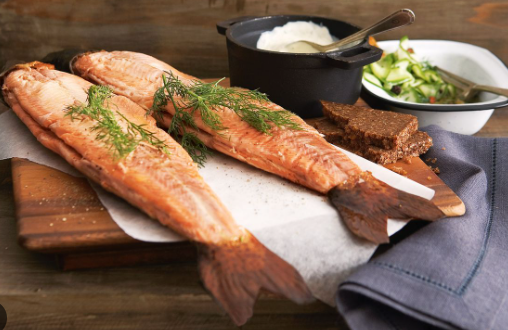
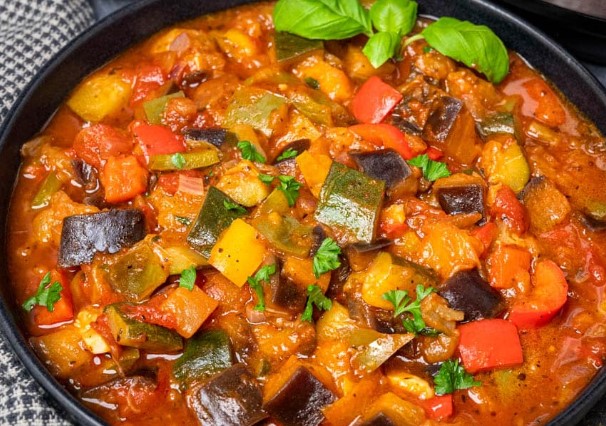
Olive sauce, with its rich, briny flavor, is a delightful accompaniment to various dishes, elevating them to a new level of savory satisfaction. This versatile sauce enhances both classic and contemporary cuisine, making it a valuable addition to any cook’s repertoire. Whether you’re serving poultry, seafood, vegetables, or pasta, olive sauce provides a burst of Mediterranean-inspired taste that tantalizes the taste buds.
INGREDIENTS:
- White sauce (made from butter, flour, and milk)
- 8 Spanish olives, pitted and chopped
CRAFTING OLIVE SAUCE:
START WITH THE WHITE SAUCE:
- Begin by preparing a white sauce, which serves as the creamy base for your olive sauce. To make white sauce, you’ll need butter, flour, and milk. Here’s how to do it:
- Melt a suitable amount of butter in a saucepan over medium heat.
- Stir in an equal quantity of flour to create a smooth, thick paste known as a roux.
- Gradually pour in milk while stirring continuously until the sauce reaches your desired consistency. The more milk you add, the thinner the sauce will be.
ADD THE OLIVES FOR ZEST:
- Once you’ve achieved the desired thickness for your white sauce, it’s time to infuse it with the robust flavor of olives. Take 8 Spanish olives, ensure they are pitted, and chop them finely. Spanish olives are known for their distinctive, savory taste.
- Add the chopped olives to the white sauce, and stir them in thoroughly. The olives bring their salty and briny essence to the sauce, infusing it with their characteristic Mediterranean flair.
COOKING TO MARVELLOUS BLEND:
- Allow the olive-infused sauce to simmer gently for a few minutes. This simmering period lets the flavors meld harmoniously, ensuring that the olive essence is well distributed throughout the sauce.
- Stir the sauce occasionally as it simmers, taking care not to let it boil. Overheating can cause the sauce to curdle or become too thick, so maintain a gentle simmer.
SERVING OLIVE SAUCE:
- Once the olive sauce has reached its desired consistency and the olives have imparted their delectable taste, it’s ready to serve. The sauce should be smooth, creamy, and generously flecked with olive bits.
VERSATILITY ON YOUR PLATE:
- Olive sauce is an ideal companion to a wide range of dishes. It pairs beautifully with roasted or grilled poultry, enhancing the meat’s flavor with its briny richness.
- Seafood lovers will find that olive sauce complements fish and shellfish exquisitely, adding a burst of Mediterranean charm to every bite.
- Olive sauce can also elevate vegetarian and pasta dishes. Pour it over steamed or sautéed vegetables, or toss it with pasta for a quick and flavorful meal.
TIPS:
- Experiment with various types of olives to create unique flavor profiles for your sauce. Green olives, Kalamata olives, or stuffed olives can each lend their distinct characteristics to the sauce.
- For an extra layer of complexity, consider adding minced garlic or a pinch of red pepper flakes for a hint of heat.
Olive sauce is a culinary gem that adds depth and character to a wide array of dishes. Crafted from a creamy white sauce infused with the savory essence of Spanish olives, this condiment brings a delightful Mediterranean-inspired flavor to your table. The pitted and chopped olives infuse the sauce with their briny richness, creating a harmonious blend that tantalizes the palate.
Whether you’re serving poultry, seafood, vegetables, or pasta, olive sauce is a versatile companion that elevates the taste of your dishes. Its creamy texture and Mediterranean flair make it a valuable addition to your culinary repertoire. With a few simple steps, you can craft a sauce that’s rich, flavorful, and utterly satisfying, turning any meal into a delightful experience.