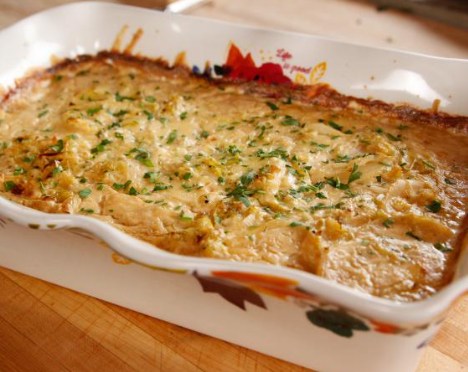
Belgian Hare, en Casserole, is a dish that offers a unique taste of culinary history. This rich and flavorful casserole features the tender meat of the Belgian Hare, a breed of domestic rabbit originally developed in Belgium. While today’s palate may shy away from consuming rabbit, it was once a prized delicacy in many cuisines. Belgian Hare, en Casserole is a classic example of the creative and intricate dishes that graced the tables of fine dining establishments during the late 19th and early 20th centuries. In this culinary exploration, we will delve into the history, ingredients, and step-by-step instructions for preparing this traditional and luxurious dish.
The Belgian Hare, a breed known for its striking appearance and lean meat, gained immense popularity in the United States during the late 19th century. The breed was initially marketed as a valuable fur-bearing rabbit, but its tender meat soon caught the attention of culinary enthusiasts. As a result, Belgian Hare became a sought-after ingredient, often prepared in elegant and elaborate ways.
INGREDIENTS
For the Marinade:
- 1 Belgian Hare, jointed into pieces (you can also use rabbit as a substitute)
- 2 cups red wine
- 1/2 cup brandy or cognac
- 1 onion, chopped
- 2 carrots, chopped
- 2 celery stalks, chopped
- 2 cloves garlic, minced
- 2 bay leaves
- 6-8 black peppercorns
- 1 sprig of thyme
- Salt and black pepper, to taste
For the Casserole:
- 4-6 slices of bacon, chopped
- 2 tablespoons unsalted butter
- 1 onion, finely chopped
- 2 carrots, sliced
- 2 celery stalks, sliced
- 2 cloves garlic, minced
- 2 tablespoons all-purpose flour
- 2 cups beef or vegetable broth
- 1 cup mushrooms, sliced (optional)
- 2 tablespoons tomato paste
- 1 bay leaf
- 1 sprig of thyme
- Salt and black pepper, to taste
- Chopped fresh parsley, for garnish (optional)
INSTRUCTIONS
1. Marinate the Hare:
- Place the jointed hare pieces in a large bowl.
- In a separate bowl, combine the red wine, brandy, chopped onion, chopped carrots, chopped celery, minced garlic, bay leaves, black peppercorns, thyme, salt, and black pepper.
- Pour the marinade mixture over the hare pieces, ensuring they are fully submerged.
- Cover the bowl and refrigerate for at least 12 hours or overnight. This allows the hare to absorb the flavors and tenderize.
2. Drain and Pat Dry:
- Remove the hare pieces from the marinade and drain them. Pat them dry with paper towels.
3. Cook the Bacon:
- In a large casserole dish or Dutch oven, cook the chopped bacon over medium heat until it becomes crisp.
- Remove the bacon from the dish, leaving the rendered fat behind.
4. Brown the Hare:
- In the same casserole dish with the bacon fat, heat the unsalted butter over medium-high heat.
- Add the drained hare pieces and brown them on all sides. This should take about 8-10 minutes.
- Once browned, remove the hare pieces and set them aside.
5. Sauté the Vegetables:
- In the same casserole dish, add the chopped onion, sliced carrots, sliced celery, and minced garlic. Sauté until the vegetables become tender, about 5 minutes.
6. Add Flour and Deglaze:
- Sprinkle the all-purpose flour over the sautéed vegetables and stir to combine.
- Pour in the marinade from the bowl, straining it to remove the solids. Use a wooden spoon to scrape up any browned bits from the bottom of the dish.
7. Simmer and Add Ingredients:
- Return the browned hare pieces to the casserole dish.
- Add the beef or vegetable broth, sliced mushrooms (if using), tomato paste, bay leaf, and thyme sprig.
- Season with salt and black pepper to taste.
8. Simmer and Bake:
- Bring the mixture to a simmer over medium heat, then cover the casserole dish.
- Transfer it to a preheated oven at 350°F (175°C) and bake for 2 to 2.5 hours, or until the hare is tender and the flavors have melded together.
9. Serve:
- Remove the casserole from the oven and let it rest for a few minutes.
- Garnish with chopped fresh parsley, if desired.
- Serve Belgian Hare, en Casserole, hot, traditionally with hearty bread or potatoes.
NOTES:
- Belgian Hare, en Casserole, offers a glimpse into the culinary indulgences of the past, showcasing the artistry of traditional fine dining. While Belgian Hare may not be as widely consumed today, preparing this dish allows us to appreciate the rich tapestry of culinary history and savor the unique flavors that were once celebrated on special occasions.