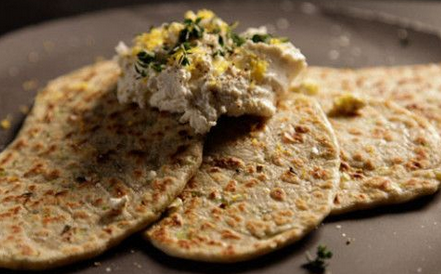
Skillet rolls, also known as skillet yeast rolls or cast-iron skillet rolls, are a delightful variation of traditional dinner rolls. These rolls are characterized by their golden-brown, crusty exterior and soft, fluffy interior, all achieved through the unique cooking method of baking them in a cast-iron skillet. The skillet imparts a wonderful flavor and texture to the rolls, making them a perfect accompaniment to soups, stews, and other hearty dishes. In this comprehensive guide, we’ll provide you with a step-by-step recipe for making these flavorful skillet rolls, and we’ll also delve into the history of skillet bread-making and its connection to both traditional and modern culinary traditions.
The concept of cooking bread in a skillet or on a griddle dates back centuries and has roots in various cultures around the world. Skillet breads come in many forms, from flatbreads like Indian naan and Middle Eastern pita to thicker, leavened breads like skillet cornbread in the American South.
The use of skillets for baking bread was especially prevalent in regions where traditional ovens were not readily available. Early settlers in the United States often relied on cast-iron skillets and Dutch ovens for their baking needs, leading to the development of skillet bread recipes.
In the case of skillet rolls, the method involves shaping the dough into individual rolls and placing them close together in a greased skillet or cast-iron pan. As they bake, the rolls rise and touch each other, creating a communal loaf with a crispy, golden crust. This method allows for the rolls to absorb the flavors of the skillet and develop a unique texture that’s both tender and crusty.
While skillet breads have deep historical roots, they have experienced a resurgence in popularity in recent years due to the revival of traditional cooking techniques and the appreciation for artisanal bread-making. Skillet rolls, in particular, have become a favorite among home bakers for their rustic charm and delicious results.
Today, skillet rolls are enjoyed not only for their versatility and taste but also for the connection they offer to the rich history of bread-making and the enduring appeal of using cast-iron cookware.
INGREDIENTS
For the Dough:
- 1 cup warm milk (about 110°F or 43°C)
- 2 1/4 teaspoons active dry yeast (1 packet)
- 1/4 cup granulated sugar
- 1/4 cup unsalted butter, melted
- 1 teaspoon salt
- 3 1/2 cups all-purpose flour
For Brushing:
- 2 tablespoons melted butter
- Optional: A pinch of salt and fresh herbs for sprinkling on top
INSTRUCTIONS
- In a small bowl, combine the warm milk and a pinch of sugar. Sprinkle the yeast over the mixture, stir gently, and let it sit for about 5-10 minutes until foamy.
- In a large mixing bowl, combine the melted butter, sugar, and salt.
- Add the activated yeast mixture to the wet ingredients and mix well.
- Gradually add the flour, mixing until a soft dough forms.
- Turn the dough out onto a floured surface and knead it for about 5-7 minutes until it becomes smooth and elastic.
- Shape the dough into a ball and place it back in the mixing bowl. Cover it with a clean kitchen towel and let it rise in a warm, draft-free place for about 1 hour or until it doubles in size.
- Preheat your oven to 375°F (190°C).
- Punch down the risen dough and divide it into 12 equal portions.
- Roll each portion into a ball and place it in a greased 10-inch cast-iron skillet, arranging them close together.
- Brush the tops of the rolls with melted butter. If desired, sprinkle a pinch of salt and fresh herbs on top for extra flavor.
- Bake in the preheated oven for 20-25 minutes or until the rolls are golden brown and sound hollow when tapped on the bottom.
- Remove the skillet rolls from the oven and let them cool for a few minutes before serving.
- Serve your warm and crusty Skillet Rolls alongside your favorite dishes, and savor the unique texture and flavor they bring to your meal.
NOTES:
- These skillet rolls are a testament to the enduring appeal of traditional cooking methods and the delicious results they produce. Enjoy them with family and friends as you celebrate the rustic charm and rich history of skillet bread-making.