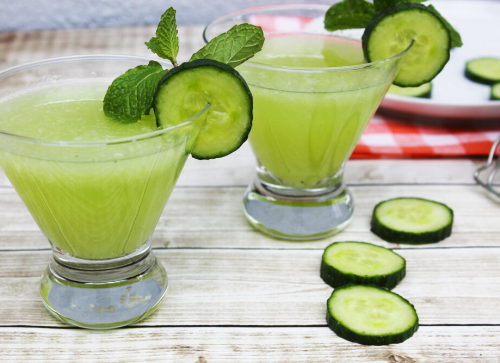
Get ready to experience a cool, bright, and lively flavor with this summery variation of the Celery “Stuffing” recipe. This refreshing fermented celery is perfect to enjoy on its own or as an addition to a mixed-green salad. Its vibrant taste is reminiscent of summer, making it a delightful addition to your meals.
Yield: About 1 quart
(fermentation vessel: 1 quart or larger)
INGREDIENTS:
- 1½ pounds celery, including the leaves, thinly sliced
- 1 bunch scallions, greens included, finely chopped
- 6 sprigs mint, thinly sliced
- 1 teaspoon unrefined sea salt
- 1–2 grape leaves (optional)
INSTRUCTIONS:
- Begin by combining the thinly sliced celery, scallions (including the greens), and mint together. Sprinkle in the sea salt gradually, tasting as you go. The salt should add a slight saltiness without overpowering the flavors. Massage the mixture and let it sit, covered, for 30 minutes to allow the flavors to meld.
- Pack the celery mixture into a 1-quart jar, pressing it down as you go to eliminate air pockets and encourage the release of brine. Due to the texture of the celery, it may require some effort to tightly pack the jar. This pressure will cause more brine to be released. Leave 2 to 3 inches of headspace in the jar. If using store-bought celery, there will likely be a noticeable layer of brine, while homegrown celery may have just enough brine to cover the vegetables. Optionally, add a grape leaf, a piece of plastic wrap, or another primary follower on top of the mixture. Due to the lower brine content, ensure the follower is weighted well with a sealed water-filled jar or ziplock bag, acting as a combination follower and weight.
- Set the jar aside in a nearby location, away from direct sunlight and in a cool environment, to ferment for 5 to 10 days. Check the jar daily to ensure the celery remains submerged in the brine. If needed, press down on the vegetables to bring the brine back to the surface. During fermentation, you may observe some harmless scum on the top. If any concerns arise, refer to the appendix for further guidance.
- Begin testing the ferment on day 5. The celery stuffing will be crunchy, with a prominent sage flavor and a mild, light sourness. Its taste will differ from the bold sourness typically found in most krauts.
- Once the ferment reaches the desired level of sourness for your palate, firmly tamp down the celery under the brine, screw on the lid tightly, and store the jar in the refrigerator. Due to its naturally high nitrate content, celery will keep well if it remains submerged and can last over 1 year. However, it is recommended to consume it before then to fully enjoy its flavors.
Create Your Own Recipes:
- Explore the culinary possibilities of celery, onions, and carrots, collectively known as the “holy trinity.” This flavoring base is commonly used in French dishes. In Creole cuisine, the carrot is replaced with bell pepper. Additionally, Italian, Portuguese, and Spanish cookery rely on a foundation of celery, onion, and garlic. Each of these vegetable combinations ferments beautifully. Try fermenting these celebrated triads alone or with the addition of herbs and spices.
- For a unique fermentation project, pickle whole celery sticks in a Basic Brine (½ cup unrefined sea salt to 1 gallon unchlorinated water) with or without spices. If you choose to keep the stalks intact, be sure to remove the strings beforehand to ensure an enjoyable eating experience.