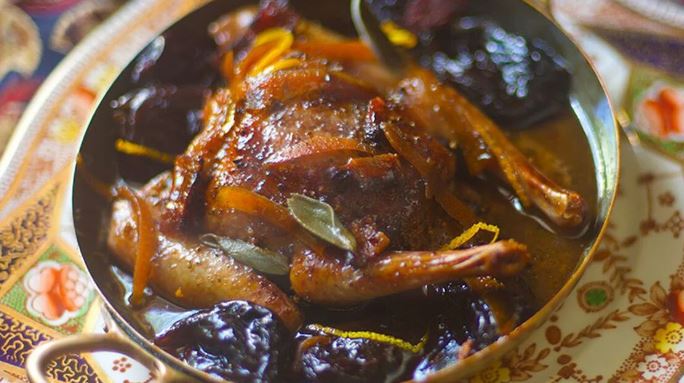
Trimming a fillet of beef with vegetables à la Jardinière elevates this classic dish to a colorful and delightful culinary experience. In this section, we will explore the art of preparing and arranging an array of vegetables, such as potatoes, carrots, turnips, beets, small onions, cauliflower-blossoms, asparagus-heads, French beans, and pease, to complement the fillet and create an eye-catching presentation.
VEGETABLE TRIMMING PROCESS:
- Selecting and Preparing Vegetables:
- Choose a variety of vegetables, ensuring they are fresh and vibrant in color.
- Peel and clean the larger vegetables, such as potatoes, carrots, and turnips, and cut them into fancy shapes using a vegetable-cutter or a fluted knife.
- Alternatively, use a small plain knife to shape the vegetables into little balls, olives, squares, diamonds, or any form that suits your taste.
- Boiling the Vegetables:
- Boil each kind of vegetable separately in salted water or stock until they are tender but still retain their texture and color.
- Arranging the Vegetables:
- Arrange the boiled vegetables into little groups, creating separate piles of each kind of vegetable.
SPECIAL INSTRUCTIONS:
- Pay attention to the cooking time of each vegetable to prevent overcooking or undercooking, which can affect their taste and texture.
- When shaping the vegetables, maintain a consistent size and shape for an aesthetically pleasing presentation.
TIPS:
- To add a burst of color and flavor, incorporate other colorful vegetables, such as bell peppers or cherry tomatoes, to the arrangement.
- For a touch of freshness, drizzle the vegetables with a light vinaigrette dressing before serving.
Trimming a fillet of beef with vegetables à la Jardinière creates a visually stunning and appetizing presentation that complements the succulent meat. An assortment of fresh and colorful vegetables, including potatoes, carrots, turnips, beets, small onions, cauliflower-blossoms, asparagus-heads, French beans, and pease, are prepared with precision and boiled separately to retain their unique textures and flavors.
The creative process of shaping the vegetables into fancy forms, using vegetable-cutters, fluted knives, or plain knives, adds an artistic touch to the dish, providing a feast for both the eyes and the taste buds. Each kind of vegetable is arranged into little groups, creating separate piles of vibrant colors and various shapes, enhancing the overall visual appeal.
To ensure that the vegetables are cooked to perfection, it is essential to monitor their cooking times carefully, preventing overcooking or undercooking that may affect their taste and texture negatively.
For added variety and taste, consider incorporating other colorful vegetables, such as bell peppers or cherry tomatoes, into the arrangement, infusing the dish with an array of flavors.
Before serving, a light vinaigrette dressing can be drizzled over the vegetables to provide a touch of freshness and acidity, harmonizing beautifully with the richness of the fillet of beef.
In conclusion, trimming a fillet of beef with vegetables à la Jardinière is a culinary art that elevates the dish to new heights of visual and gastronomic delight. Through careful preparation and arrangement of the vegetables, this elegant and creative presentation complements the fillet, creating an extraordinary dining experience that leaves a lasting impression on all who partake in this delightful feast.