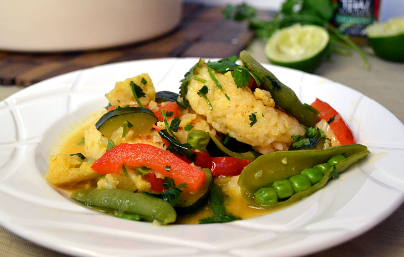
Choosing the right poultry for your recipe is crucial to achieving the desired taste and tenderness. When it comes to prairie chicken, selecting a young bird ensures the best results. A tender and flavorful dish begins with proper selection. This guide will walk you through the process of choosing a young prairie chicken and preparing it for your culinary creation. By following these steps, you’ll guarantee a delightful dining experience for you and your guests. So, go ahead and apply this knowledge to your next culinary venture, and savor the rewards of a well-prepared prairie chicken dish.
INGREDIENTS:
- 1 Young prairie chicken
PREPARATIONS:
- Begin by handling the prairie chicken with care to avoid any damage.
- To determine the chicken’s age, focus on the under bill.
- Gently bend the under bill and assess its tenderness.
SPECIAL INSTRUCTIONS:
- Choosing a Young Prairie Chicken:
- Bend the under bill and check for tenderness.
- A young bird will have a flexible under bill that bends easily.
- If the under bill is tough or rigid, the chicken is likely older and might not result in the desired texture.
TIPS:
- Look for flexibility: The under bill’s flexibility is a reliable indicator of the chicken’s age. Younger birds have more flexible bills.
- Tender meat: Opting for a young prairie chicken ensures tender meat, which is essential for a succulent dish.
YIELD: 1 young prairie chicken yields approximately 2 to 4 servings, depending on the recipe and portion sizes.
In culinary endeavors, the quality of your ingredients plays a pivotal role in the final outcome. When working with prairie chicken, the age of the bird is a critical factor that directly impacts the tenderness and flavor of the dish. By following the simple steps outlined above, you can confidently select a young prairie chicken that will result in a delectable meal.
The under bill’s flexibility serves as a trustworthy indicator of the chicken’s youth. A young bird will have an under bill that bends easily, reflecting its tender age. On the other hand, a tough or rigid under bill signifies an older chicken that might not provide the desired texture. Choosing a young prairie chicken ensures that the meat will be tender and succulent, contributing to the overall satisfaction of your culinary creation.
As you embark on your prairie chicken culinary journey, remember that the under bill technique is a valuable skill to master. The delicacy and quality of your chosen bird will have a direct impact on the success of your recipe. Whether you’re planning to roast, grill, or cook the prairie chicken using any other method, starting with a young bird is a step towards culinary excellence.
In conclusion, crafting a memorable prairie chicken dish begins with the art of selection. By bending the under bill and assessing its tenderness, you can confidently choose a young prairie chicken that promises exceptional flavor and tenderness. This simple yet effective technique ensures that your efforts in the kitchen translate into a delightful dining experience. So, go ahead and apply this knowledge to your next culinary venture, and savor the rewards of a well-prepared prairie chicken dish.