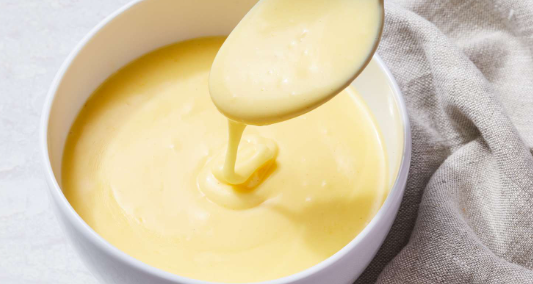
Stewed squabs, a luxurious and delectable dish, have graced the tables of fine dining establishments and grand feasts for centuries. These young pigeons, known as squabs, are tender and flavorful, making them a prized ingredient in gastronomy. Stewing them with a rich sauce infuses the meat with sumptuous flavors and transforms each bite into a decadent experience. In this guide, we’ll explore the history and story of stewed squabs, unravel the culinary elegance they represent, and provide you with the ingredients and detailed instructions to create this gourmet masterpiece.
The tradition of stewed squabs can be traced back to ancient civilizations, where pigeons and doves were valued as a source of both food and symbolism. In ancient Egypt, pigeons were considered sacred and were often associated with goddesses like Hathor and Isis. However, they were also enjoyed as a delicacy by the Egyptian elite.
As time passed, the culinary appreciation for squabs spread to other cultures. In ancient Rome, squab was a favored dish, and the culinary techniques for preparing it were documented in Roman cookbooks. The indulgence of squabs continued through the Middle Ages and the Renaissance, where they were featured in elaborate feasts and banquets.
During the 19th and early 20th centuries, stewed squabs were celebrated in haute cuisine, gracing the menus of prestigious restaurants and luxurious dining rooms. Their delicate and succulent meat, often served with rich sauces, exemplified the opulence of fine dining.
Stewed squabs were also a popular choice for traditional holiday feasts and special occasions, symbolizing abundance and celebration. Today, while less common on everyday menus, they remain a symbol of culinary sophistication and the appreciation of exquisite flavors.
The preparation of stewed squabs has evolved with time, incorporating various ingredients and techniques from different culinary traditions, including French, Chinese, and Middle Eastern cuisines. Regardless of the specific preparation, the essence of stewed squabs lies in their ability to transform a simple ingredient into a remarkable culinary experience.
INGREDIENTS
For the Squabs:
- 2 whole squabs (young pigeons)
- 2 tablespoons butter or olive oil
- Salt and black pepper, to taste
For the Stewing Liquid:
- 2 cups chicken or vegetable broth
- 1 cup dry white wine
- 1 small onion, finely chopped
- 2 cloves garlic, minced
- 2 sprigs fresh thyme
- 2 bay leaves
- Salt and black pepper, to taste
For the Sauce (Optional):
- 1/4 cup heavy cream
- 2 tablespoons unsalted butter
- 1 tablespoon all-purpose flour
- Salt and black pepper, to taste
INSTRUCTIONS
1. Prepare the Squabs:
- Rinse and pat dry the squabs with paper towels. Season the squabs inside and out with salt and black pepper.
2. Sear the Squabs:
- In a large skillet or Dutch oven, heat the butter or olive oil over medium-high heat.
- Add the squabs and sear them until they are golden brown on all sides. This step helps lock in flavor and creates a rich caramelized exterior.
3. Prepare the Stewing Liquid:
- Remove the squabs from the skillet and set them aside.
- In the same skillet, add the chopped onion and minced garlic. Sauté until they become translucent.
- Pour in the dry white wine and simmer for a few minutes to reduce and concentrate the flavors.
- Add the chicken or vegetable broth, fresh thyme, bay leaves, salt, and black pepper. Bring the mixture to a simmer.
4. Simmer the Squabs:
- Return the seared squabs to the skillet, ensuring they are partially submerged in the stewing liquid.
- Cover the skillet and reduce the heat to low. Allow the squabs to simmer gently for about 45 minutes to 1 hour, or until they are tender and fully cooked. Baste the squabs occasionally with the liquid to keep them moist.
5. Prepare the Sauce (Optional):
- In a separate saucepan, melt the unsalted butter over medium heat. Stir in the all-purpose flour to create a roux and cook for a few minutes until it turns golden.
- Gradually whisk in the heavy cream, stirring continuously to create a smooth sauce.
- Season the sauce with salt and black pepper to taste.
6. Finish and Serve:
- Once the squabs are fully cooked, remove them from the skillet and let them rest for a few minutes.
- If using the optional sauce, drizzle it over the squabs before serving.
Stewed squabs offer a taste of culinary extravagance and a celebration of flavors. Whether enjoyed as a special occasion dish or a gourmet dining experience, they epitomize the art of transforming simple ingredients into exquisite cuisine.