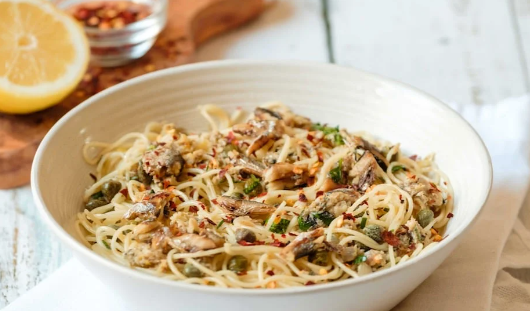
Preserved lemons are a versatile and flavorful ingredient that adds a unique twist to various dishes. This recipe, based on the techniques shared in “Relishes, Chutneys, Salsas, and Fermented Salads”, guides you through the process of fermenting whole lemons to create preserved lemons. The result is a mellow, salted, and acidic lemon with hints of sweetness. Preserved lemons can be used in a variety of recipes, from Middle Eastern dishes to salads, salsas, and chutneys.
Yield: About 1 quart
(fermentation vessel: 2 quarts)
INGREDIENTS:
- 8 whole lemons, regular or Meyer
- ½–1 cup unrefined sea salt, plus 2 tablespoons
- Freshly squeezed lemon juice, as needed
INSTRUCTIONS:
- Rinse the lemons in cold water. Trim about ¼ inch from the tip of each lemon. Cut the lemons lengthwise as if you were going to slice them in half, starting from the tip, but stop the cut before going all the way through, keeping the lemons attached at the base. Make another cut in the other direction to quarter the lemons, still keeping them attached at the base. Remove any seeds and place the lemons in a large bowl. Generously rub salt in and around each lemon.
- Pack the salted lemons tightly into a jar or crock, pressing them down so that the juice rises to the top. Ensure the lemons are fully submerged in the juice-brine. If needed, add freshly squeezed lemon juice to fill the vessel to the brim and ensure immersion. Sprinkle 2 tablespoons of salt over the surface of the lemons. Top the ferment with a quart-sized ziplock bag, pressing it down onto the top of the ferment. Fill the bag with water, seal it, and use it as both a follower and weight to keep the lemons submerged.
- Place the fermentation vessel on a baking sheet and set it aside in a location away from direct sunlight. Allow the lemons to ferment and cool for 21 to 30 days, depending on your preference. Check periodically to ensure that the lemons remain submerged in the brine.
- The preserved lemons will be ready after 21 days but can be fermented for a longer duration if desired. Taste the lemons to determine their readiness. The changes you should notice are the richness of the thick brine and the infusion of zesty flavor into the lemons.
- To store the preserved lemons, ensure they are fully submerged in the brine. Screw on the lid of the fermentation vessel and store it in the refrigerator. The preserved lemons will keep, refrigerated, for at least 18 months.
TIPS:
- Rinse a bit of preserved lemon before using it to tone down the saltiness if desired.
- Experiment with variations by adding spices such as cinnamon sticks, peppercorns, cloves, coriander seeds, juniper seeds, or bay leaves to the lemons during fermentation.
- Explore South American flavors by preserving limes or lemons with garlic, onions, coriander, cilantro, and hot pepper. Chop the preserved lemons finely and add them to fresh tomatoes for salsa or ceviche.
- Add grapefruit juice to sauerkraut for citrus notes and enhanced acidity.
- Incorporate orange zest or orange juice into ferments and chutneys for a tangy twist.
Create Your Own Recipes:
- Add spices to the preserved lemons for additional flavor. Traditional options include cinnamon sticks, peppercorns, whole cloves, coriander seeds, juniper seeds, and bay leaves.
- Explore South American flavors by preserving limes or lemons with garlic, onions, coriander, cilantro, and plenty of hot pepper. Finely chop the preserved lemons and add them to fresh tomatoes for a vibrant salsa or use them in a tangy ceviche.
- Incorporate grapefruit juice into sauerkraut to infuse it with citrus notes and add a touch of acidity to the fermented flavor.
- Enhance your ferments and chutneys by adding orange zest or orange juice. Oranges hold their flavor well during the fermentation process, providing a burst of citrusy goodness.