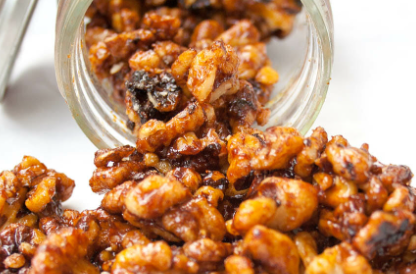
Spinach Sauerkraut offers a unique twist to traditional cabbage-based sauerkraut. With a delicate touch, this recipe preserves the freshness and vibrant green color of the spinach leaves while infusing them with a slightly sour and crunchy flavor. The addition of sweet onion, dried oregano, and lemon juice adds depth and complexity to the kraut.
Enjoy the vibrant flavors and nutritional benefits of your homemade Spinach Sauerkraut. Its light crunch, tangy taste, and rich green color will adda delightful twist to your meals. Use it as a flavorful topping for salads, sandwiches, or enjoy it as a refreshing side dish. The combination of spinach, sweet onion, dried oregano, and lemon juice creates a harmonious blend of flavors that will enhance your culinary creations.
So, roll up your sleeves, gather your ingredients, and embark on the journey of creating your very own Spinach Sauerkraut. The rewards are well worth the effort, as you savor the deliciousness and enjoy the numerous health benefits this homemade fermented delight has to offer.
Yield: About 1 quart
(Fermentation vessel: 1 quart or larger)
INGREDIENTS:
- 1 large sweet onion, quartered and thinly sliced
- 1½–2 teaspoons unrefined sea salt
- 2 pounds spinach leaves, chopped
- 1 generous tablespoon dried oregano, crumbled
- 2 tablespoons lemon juice
INSTRUCTIONS:
- Place the sliced onions in a bowl.
- Add about 1½ teaspoons of salt to the onions.
- Use your hands to massage the salt into the onions, allowing them to start releasing their brine. This step prepares the onions for the gentle handling required when working with the spinach.
- Add the chopped spinach, crumbled dried oregano, and lemon juice to the bowl with the onions.
- Gently mix everything together, being careful not to bruise or overly manipulate the spinach leaves.
- Taste the mixture and adjust the salt to your preference. The salt should be noticeable but not overpowering. Add more salt if needed.
- Note: Initially, the spinach may not appear to have enough brine, but as you start packing it into the fermentation vessel, you will see sufficient brine.
- Transfer the spinach mixture to a 1-quart (or larger) jar, a few handfuls at a time.
- Press down firmly with your fist or a tamper as you pack the kraut into the jar, ensuring there is some brine on top of the kraut when you press it down.
- Leave enough headspace in the jar for the kraut to expand during fermentation.
- Place a primary follower, such as plastic wrap, on top of the kraut, and then weigh it down with a sealed water-filled jar or a ziplock bag.
- Set the jar on a baking sheet and place it in a location nearby, away from direct sunlight, at a cool temperature.
- Allow the kraut to ferment for 4 to 10 days, checking daily to ensure the vegetables are submerged. Press them down as needed to bring the brine to the surface.
- It is normal to see harmless scum on top of the kraut during fermentation. Refer to the appendix if any concerns arise.
- Taste-test the kraut on day 4. It should have a lighter dull green color, a slight crunch, and a pleasantly sour flavor when ready.
- Store the kraut in jars with tightened lids in the refrigerator, leaving as little headroom as possible and ensuring the kraut is submerged under the brine.
- The spinach sauerkraut will keep refrigerated for up to 6 months.