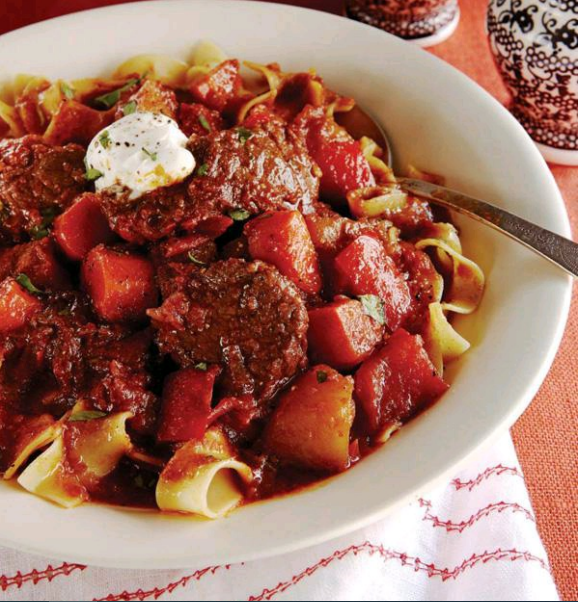
Indian dry curry, known as “sabzi” or “bhaji” in Hindi, is a versatile and popular dish in Indian cuisine. It is a medley of vegetables and/or proteins that are sautéed or stir-fried with a blend of aromatic spices and herbs. This flavorful dish can be enjoyed as a main course or a side dish, and it varies greatly in taste and ingredients depending on regional and individual preferences in India.
The history of Indian dry curry is deeply rooted in the rich culinary traditions of India, which date back thousands of years. Indian cuisine has evolved over time, influenced by a wide range of cultures, invaders, and geographical regions. This evolution has given rise to a diverse and vibrant culinary landscape with a myriad of flavors and techniques.
Dry curries have been an integral part of Indian cuisine for centuries. In ancient India, vegetables, legumes, and grains were staple ingredients, and the use of spices was well-established. These dry curries were practical and versatile dishes that allowed people to make the most of their ingredients without the need for excessive amounts of liquid.
The art of making dry curries has been passed down through generations, with each region in India putting its unique stamp on the dish. Ingredients vary greatly depending on what is locally available and in season. For instance, in the southern regions of India, coconut is a common addition, while in the northern regions, dairy products like yogurt or cream may be used.
In Indian households, dry curry recipes are often handed down from one generation to the next, with each family having its own variations and secret ingredients. They are a daily comfort food and a way to celebrate seasonal produce.
Today, Indian dry curry dishes are enjoyed both in homes and restaurants worldwide. They showcase the depth and complexity of Indian flavors while allowing cooks to be creative and resourceful with ingredients. The beauty of Indian dry curries is their adaptability; you can use a wide variety of vegetables, proteins, and spices to create a dish that suits your taste.
INGREDIENTS
- 2 cups of assorted vegetables or protein (common choices include potatoes, cauliflower, peas, bell peppers, chickpeas, or paneer)
- 2 tablespoons of vegetable oil or ghee (clarified butter)
- 1 teaspoon cumin seeds
- 1 large onion, finely chopped
- 2 cloves of garlic, minced
- 1-inch piece of ginger, minced
- 2-3 green chilies, slit (adjust to your spice preference)
- 1 teaspoon ground turmeric
- 1 teaspoon ground coriander
- 1/2 teaspoon ground cumin
- 1/2 teaspoon red chili powder (adjust to your spice preference)
- Salt to taste
- Fresh cilantro leaves, chopped, for garnish
- Lemon wedges, for serving (optional)
INSTRUCTIONS
- Prepare the Vegetables or Proteins:
- Wash, peel (if necessary), and chop the assorted vegetables or proteins into bite-sized pieces.
- Sauté the Cumin Seeds:
- Heat the vegetable oil or ghee in a large, heavy-bottomed pan or skillet over medium heat.
- Add the cumin seeds and let them sizzle for a few seconds until they release their aroma and start to brown.
- Sauté the Aromatics:
- Add the finely chopped onion to the pan and sauté until it becomes translucent and slightly golden.
- Stir in the minced garlic, ginger, and green chilies. Sauté for another minute or until the raw aroma disappears.
- Add the Spices:
- Reduce the heat to low and add the ground turmeric, ground coriander, ground cumin, and red chili powder to the pan. Stir well to coat the onions and aromatics with the spices.
- Sauté the Vegetables or Proteins:
- Add the chopped vegetables or proteins to the pan and toss them with the spiced onion mixture.
- Cook the mixture, stirring occasionally, for about 10-15 minutes or until the vegetables or proteins are cooked through and slightly browned. You can cover the pan to speed up the cooking process, but remember to stir occasionally.
- Season and Garnish:
- Season the dry curry with salt to taste and mix well.
- Garnish the dish with freshly chopped cilantro leaves.
- Serve:
- Transfer the Indian dry curry to a serving dish.
- Serve hot with rice, roti (Indian flatbread), or naan. Optionally, provide lemon wedges for diners to squeeze over their servings for added freshness and flavor.
NOTES:
- Indian dry curry is a versatile and satisfying dish that highlights the depth and variety of Indian spices and ingredients. Its history is deeply intertwined with the diverse culinary traditions of India, and it continues to be a beloved part of Indian cuisine today. Whether enjoyed as a comforting home-cooked meal or a flavorful restaurant dish, Indian dry curry offers a taste of India’s rich culinary heritage.