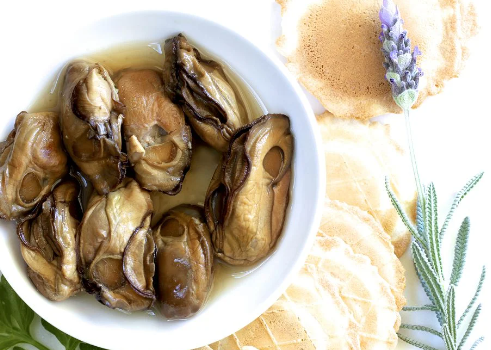
Fish stock is a flavorful liquid made by simmering fish bones, heads, and trimmings along with aromatic vegetables and herbs. It serves as a versatile ingredient in seafood-based dishes, providing a delicate and savory base for soups, sauces, and risottos. Let’s delve into the characteristics and uses of fish stock.
To make fish stock, a combination of fish bones, such as heads, tails, and frames, is simmered with water, aromatic vegetables, and herbs. The bones and trimmings are typically obtained from white-fleshed fish like cod, sole, or halibut. Aromatic vegetables commonly used include onions, carrots, celery, and sometimes fennel, while herbs like parsley, thyme, and bay leaves impart additional flavors.
INGREDIENTS:
- 1 pound (455 g) fish bones, heads, and tails
- 4 cups (950 ml) low-sodium chicken broth
- 1 cup (160 g) minced onion
- ¼ cup (25 g) chopped scallions
- ¼ teaspoon black pepper
- 2 tablespoons (28 ml) cider vinegar
- 2 tablespoons (4 g) dried cilantro
- 2 tablespoons (12 g) low-sodium chicken bouillon
PREPARATIONS:
- Combine the fish bones, heads, and tails (or pound of fish), low-sodium chicken broth, minced onion, chopped scallions, black pepper, cider vinegar, and dried cilantro in a slow cooker.
- Cook on low for 5 to 6 hours.
- Stir in the low-sodium chicken bouillon and cook for 1 hour more.
- Strain the stock to remove any solids.
SPECIAL INSTRUCTIONS:
- The fish stock can be used to make soups or fish sauce.
- Adjust the seasoning to taste before using in recipes.
NUTRITIONAL INFORMATION PER SERVING:
- 156 g water
- 50 calories (17% from fat, 50% from protein, 33% from carbs)
- 7 g protein
- 1 g total fat
- 0 g saturated fat
- 0 g monounsaturated fat
- 0 g polyunsaturated fat
- 4 g carbs
- 1 g fiber
- 1 g sugar
- 81 mg phosphorus
- 17 mg calcium
- 1 mg iron
- 116 mg sodium
- 239 mg potassium
- 122 IU vitamin A
- 2 mg ATE vitamin E
- 3 mg vitamin C
- 10 mg cholesterol
Yield: 8 servings
Simmering the ingredients together for a period of time allows the flavors to meld and infuse into the liquid. The gentle heat extracts the essence and gelatin from the fish bones, resulting in a light and subtly flavored stock. Straining the stock at the end removes any solids, yielding a clear and flavorful liquid.
Fish stock serves as a crucial ingredient in seafood-based recipes, particularly soups, stews, and sauces. Its delicate flavor enhances dishes like fish chowder, bouillabaisse, or seafood risotto, providing a savory and nuanced base. It can also be used to poach fish or seafood, infusing them with its subtle flavors while maintaining their natural taste.
In addition to its role in cooking, fish stock can be utilized to enhance the flavor of seafood-based sauces or to deglaze pans when preparing fish dishes. It adds depth and complexity to sauces, such as a velvety white wine and fish stock reduction, creating a delicious accompaniment to seafood entrees.
When preparing or purchasing fish stock, it’s important to note the freshness of the ingredients used. Using fresh fish bones and trimmings, as well as aromatic vegetables and herbs, will contribute to a high-quality stock. Additionally, avoiding fish with overpowering flavors, such as oily or strongly flavored fish, can help maintain a delicate and balanced stock.
Fish stock offers a wonderful way to elevate seafood dishes with its subtle and aromatic qualities. Whether used as a base for soups, sauces, or as an ingredient in various seafood recipes, it provides a nuanced and delicious foundation that celebrates the flavors of the sea.