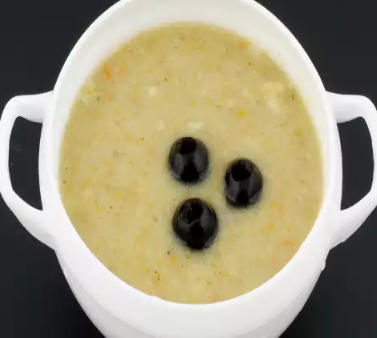
Chestnut Soup is a rich and velvety soup made from pureed chestnuts, often combined with aromatic vegetables, herbs, and sometimes a hint of cream. This comforting and earthy dish has a history steeped in European culinary traditions and has become a seasonal favorite, especially during the fall and winter months. In this article, we will explore the history, story, and preparation of this warm and nourishing soup.
The history of Chestnut Soup is closely tied to the cultivation and culinary use of chestnuts, a nut-bearing tree native to temperate regions of the Northern Hemisphere. Chestnuts have been a valuable food source for centuries, particularly in Europe, where they were once known as the “bread of the poor.” These starchy nuts provided a reliable and hearty source of sustenance during the colder months when other crops were scarce.
In Europe, chestnuts were often ground into flour to make bread, roasted, or used in various savory and sweet dishes. The concept of turning chestnuts into a soup likely evolved as cooks sought to create nourishing and comforting meals.
Chestnut Soup gained popularity in France and Italy, where chestnuts have long been appreciated in culinary traditions. In France, it is known as “Crème de Marrons,” while in Italy, it’s often called “Zuppa di Castagne.” These regional variations reflect the diversity of recipes and preparations for this soup across Europe.
The method of preparing Chestnut Soup can vary, with some recipes emphasizing the natural sweetness of chestnuts and others incorporating savory elements like onions, leeks, or bacon. Whether enjoyed as a simple and rustic dish or as a gourmet delicacy, Chestnut Soup continues to evoke the warmth and flavors of the European countryside.
INGREDIENTS
- 1 pound (450g) fresh or vacuum-packed chestnuts
- 1 onion, chopped
- 1 leek, chopped (white and light green parts only)
- 2 tablespoons butter or olive oil
- 4 cups vegetable or chicken broth
- 1 bay leaf
- 1 sprig of fresh thyme
- Salt and pepper, to taste
- 1/2 cup heavy cream (optional, for a creamier soup)
- Fresh chives or parsley, for garnish (optional)
INSTRUCTIONS
- Prepare the Chestnuts:
- If using fresh chestnuts, make a small X-shaped incision on the flat side of each chestnut.
- Roast the chestnuts in the oven at 375°F (190°C) for about 20-25 minutes or until the shells begin to split.
- Remove the shells and inner skin while the chestnuts are still warm. If using vacuum-packed chestnuts, skip this step.
- Sauté the Vegetables:
- In a large soup pot or Dutch oven, heat the butter or olive oil over medium heat.
- Add the chopped onion and leek and sauté until they become soft and translucent, typically about 5 minutes.
- Add Chestnuts and Herbs:
- Add the peeled chestnuts to the pot and stir to combine with the sautéed vegetables.
- Tie the bay leaf and fresh thyme sprig together with kitchen twine and add them to the pot.
- Simmer with Broth:
- Pour in the vegetable or chicken broth, making sure it covers the chestnuts and vegetables.
- Bring the mixture to a boil, then reduce the heat to a simmer.
- Let it cook for about 20-25 minutes, allowing the flavors to meld.
- Blend and Season:
- Remove the bay leaf and thyme sprig from the pot.
- Use an immersion blender to puree the soup until it’s smooth and velvety. Alternatively, transfer the mixture to a countertop blender in batches, being careful not to overfill.
- Add Cream (Optional) and Season:
- If you prefer a creamier soup, stir in the heavy cream.
- Season the soup with salt and pepper to taste. Adjust seasoning as needed.
- Heat and Serve:
- Heat the Chestnut Soup over low heat, stirring occasionally, until it’s heated through.
- Ladle the soup into bowls, garnish with fresh chives or parsley if desired, and serve hot.
Chestnut Soup captures the essence of rustic European cuisine and offers a delightful combination of earthy flavors and creamy texture. Whether enjoyed as a starter or a warming main course, it’s a soup that embodies the comfort and nourishment of traditional cooking.