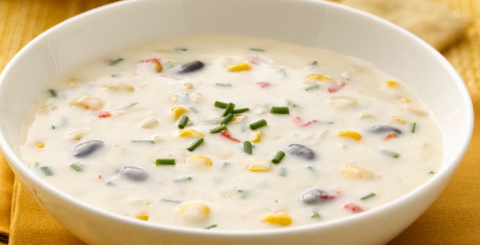
Canned corn pudding is a comforting and easy-to-make side dish that combines the sweetness of corn with the creaminess of a custard-like pudding. This dish is often associated with American Southern cuisine, where corn is a staple ingredient. It’s a popular choice for family gatherings, potlucks, and holiday meals due to its simple preparation and delicious taste.
The origins of canned corn pudding can be traced back to the rich culinary traditions of the American South. Corn, in various forms, has been a fundamental part of Southern cuisine for centuries, with indigenous cultures in the region cultivating and using corn long before European settlers arrived.
Corn pudding is a variation of a classic Southern dish called “corn casserole” or “corn spoonbread.” These dishes have their roots in Native American and African American cooking. Native Americans introduced corn to European settlers, who then incorporated it into their cuisine. African American cooks, often enslaved, played a significant role in shaping Southern culinary traditions, and their contributions to corn-based dishes are particularly notable.
Canned corn pudding, specifically, likely emerged in the 20th century when canned vegetables became widely available. The convenience of canned corn made it an accessible ingredient for home cooks. Combining canned corn with dairy, eggs, and seasonings created a simple, yet flavorful, side dish that could be prepared year-round.
This dish gained popularity as a comfort food staple that could be served alongside a variety of main courses, including fried chicken, barbecue, and holiday feasts. It’s appreciated for its creamy texture, the sweetness of the corn, and its adaptability to different flavor variations.
Canned corn pudding also became a popular choice for potlucks and church suppers in the American South, where sharing dishes and recipes has long been a cherished tradition. The recipe’s simplicity and the use of readily available ingredients contributed to its enduring popularity.
Today, canned corn pudding remains a beloved side dish with a nostalgic and comforting quality. While it is often made with canned corn for convenience, some cooks prefer using fresh corn kernels when in season for a more vibrant and homemade flavor.
INGREDIENTS
- 2 cans (approximately 15 ounces each) of whole kernel corn, drained
- 1 can (approximately 14 ounces) of creamed corn
- 1/2 cup (1 stick) unsalted butter, melted
- 1 cup sour cream
- 3 large eggs
- 1 cup cornmeal
- 1/2 cup all-purpose flour
- 1/2 cup granulated sugar
- 1 teaspoon baking powder
- 1/2 teaspoon salt
- Optional: 1/4 cup grated cheddar cheese for topping
INSTRUCTIONS
- Preheat the Oven:
- Preheat your oven to 350°F (175°C). Grease a 9×13-inch baking dish or a similar-sized ovenproof dish.
- Combine Canned Corn:
- In a large mixing bowl, combine the drained whole kernel corn and the creamed corn.
- Add Wet Ingredients:
- To the corn mixture, add the melted butter, sour cream, and eggs. Mix well to combine.
- Combine Dry Ingredients:
- In a separate bowl, whisk together the cornmeal, all-purpose flour, granulated sugar, baking powder, and salt.
- Mix Dry Ingredients with Wet Ingredients:
- Gradually add the dry ingredient mixture to the wet ingredients, stirring until everything is well combined.
- Pour into Baking Dish:
- Pour the corn pudding mixture into the prepared baking dish. Smooth the top with a spatula.
- Optional Cheese Topping:
- If desired, sprinkle the grated cheddar cheese evenly over the top of the pudding.
- Bake:
- Place the baking dish in the preheated oven and bake for approximately 45-50 minutes, or until the pudding is set and the top is golden brown. A toothpick inserted into the center should come out clean.
- Cool and Serve:
- Allow the canned corn pudding to cool for a few minutes before serving. It can be served warm as a side dish alongside your favorite entrees.
NOTES:
- Canned corn pudding is a classic Southern side dish with a rich history that reflects the diverse culinary influences of the American South. Its sweet, creamy, and comforting qualities make it a timeless favorite, particularly at gatherings and family meals where it’s celebrated for its simplicity and delicious taste.