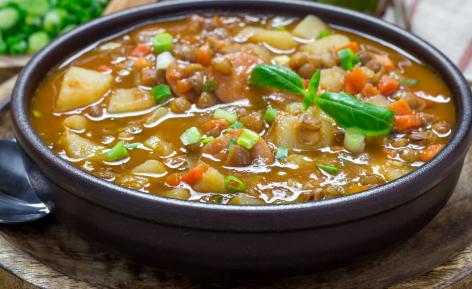
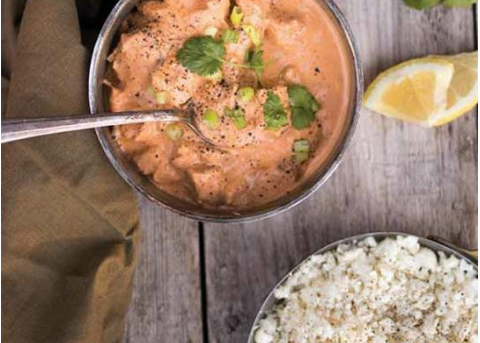
If you’re looking for a wholesome and delicious way to enjoy leftover vegetables, this recipe for Mixed Vegetable Mould is a perfect choice. It’s a creative and sustainable approach to reducing food waste while delighting your taste buds. By combining various boiled vegetables, including mashed potatoes and greens, you can create a flavorful and satisfying dish that’s both visually appealing and nutritious. In this guide, we’ll provide you with detailed instructions and helpful tips to ensure your Mixed Vegetable Mould turns out beautifully.
INGREDIENTS:
- Equal parts of mashed potatoes and finely minced sprouts or greens
- Grated onion (optional)
- Mashed carrots or turnips (optional)
- Salt and pepper to taste
- 2 eggs
- 4-5 cups of mixed vegetables
INSTRUCTIONS:
- Vegetable Preparation: Begin by gathering your leftover vegetables. You can use equal parts of mashed potatoes and finely minced sprouts or greens. If desired, add grated onion for extra flavor and some mashed carrots or turnips for a hint of sweetness.
- Seasoning: Season the mixture with salt and pepper to taste. Adjust the seasoning according to your preferences.
- Binding the Mixture: In a separate bowl, beat 2 eggs. Then, mix the beaten eggs thoroughly through the 4-5 cups of mixed vegetables. The eggs will act as a binding agent, helping to hold the mixture together during cooking.
- Moulding and Cooking: Now, it’s time to shape your Mixed Vegetable Mould. Press the vegetable mixture firmly into a mould or pudding basin. Ensure it’s packed tightly to hold its shape. Steam or boil the moulded vegetables for approximately half an hour. This will allow the eggs to set and the flavors to meld together.
- Serving: Once the Mixed Vegetable Mould is cooked, carefully turn it out onto a serving plate. The moulded shape will make for an attractive presentation. You can choose to serve it plain or with a flavorful brown sauce, depending on your preference.
TIPS FOR PERFECT MIXED VEGETABLE MOULD:
- Versatile Vegetables: Feel free to get creative with the vegetables you use. Leftover greens, Brussels sprouts, carrots, turnips, or any other veggies you have on hand can be incorporated into this dish.
- Consistent Texture: Ensure that the vegetables are finely minced or mashed to create a consistent texture throughout the mould.
- Season to Taste: Season the mixture well with salt and pepper, as this will enhance the overall flavor.
- Egg Binding: The eggs are crucial for binding the mixture. Make sure they are mixed thoroughly to evenly distribute them.
- Moulding: Use a mould or pudding basin to shape your Mixed Vegetable Mould. Press the mixture firmly to avoid any gaps or air pockets.
- Steam or Boil: You have the option to steam or boil the moulded vegetables. Both methods work well; choose the one that suits your cooking equipment and preferences.
Mixed Vegetable Mould is a delightful way to transform leftover vegetables into a delightful and satisfying dish. It’s not only a tasty meal but also a sustainable way to reduce food waste. By following these step-by-step instructions and helpful tips, you can create a visually appealing and flavorful Mixed Vegetable Mould that’s sure to be a hit at your table. Whether served as a side dish or a vegetarian main course, this dish is a great addition to any meal.