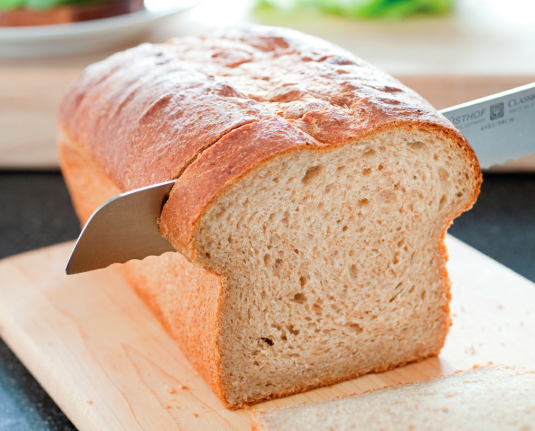
The Crusty French Loaf, or “Baguette,” is the epitome of French bread-making—a symbol of simplicity and elegance in the world of artisanal bread. This iconic bread is characterized by its golden-brown, crackling crust, and soft, airy interior. It’s a versatile bread that complements a wide range of dishes and can be enjoyed in various forms, from sandwiches to dipping it in olive oil or enjoying it with cheese and wine. In this guide, we’ll explore the history of the Crusty French Loaf and provide you with detailed instructions for making your own.
The history of the Crusty French Loaf can be traced back to France, where bread holds a revered place in the country’s culinary culture. The Baguette, which means “wand” or “stick” in French, is one of the most iconic and recognizable bread styles globally.
The origins of the Baguette are somewhat debated, with various stories and claims about its creation. One widely accepted tale is that the Baguette, as we know it today, emerged in the early 20th century. French bakers sought to create a bread that was easier to handle and bake than the traditional round loaves, which required a long baking time. The elongated shape of the Baguette allowed for quicker and more even baking, resulting in a crisp, golden crust.
The Baguette quickly gained popularity in France and became a symbol of French culture. It is said that in 1920, the French government even passed a law to regulate the ingredients and dimensions of the Baguette to ensure its quality and authenticity.
Today, the Crusty French Loaf remains a staple in French cuisine and is beloved by people worldwide. Its simplicity, coupled with the skill required to perfect its crust and crumb, has elevated it to the status of an art form in the world of bread-making.
INGREDIENTS
- 3 cups all-purpose flour
- 1 1/2 teaspoons salt
- 2 1/4 teaspoons (1 packet) active dry yeast
- 1 1/4 cups warm water (110°F to 115°F or 45°C to 50°C)
INSTRUCTIONS
1. Activate the yeast:
- In a small bowl, combine the warm water and yeast. Stir gently and let it sit for about 5-10 minutes until it becomes frothy. This indicates that the yeast is active.
2. Mix the dry ingredients:
- In a large mixing bowl, combine the all-purpose flour and salt.
3. Combine the wet ingredients:
- Pour the activated yeast mixture into the bowl with the dry ingredients.
4. Mix the dough:
- Mix everything together until a dough forms.
5. Knead the dough:
- Turn the dough out onto a floured surface and knead it for about 8-10 minutes until it becomes smooth and elastic. Add more flour as needed to prevent sticking.
6. First rise:
- Place the dough in a greased bowl, cover it with a damp cloth or plastic wrap, and let it rise in a warm, draft-free place for about 1-1.5 hours, or until it has doubled in size.
7. Shape the loaf:
- Punch down the dough and shape it into a long, thin log, resembling a baguette.
8. Second rise:
- Place the shaped dough on a baking sheet or baguette pan, or you can use a floured kitchen towel to help shape it.
- Cover it again and let it rise for another 30-45 minutes.
9. Preheat and score:
- Preheat your oven to 450°F (232°C).
- Optionally, you can use a sharp knife or bread lame to make diagonal slashes on the surface of the loaf. This helps control expansion during baking and creates the characteristic appearance of a Baguette.
10. Bake:
- Place a shallow pan of hot water on the bottom rack of the oven to create steam, which will help develop the crust.
- Bake the Crusty French Loaf for 20-25 minutes or until it’s golden brown and sounds hollow when tapped on the bottom.
11. Cool and enjoy:
- Allow the bread to cool on a wire rack before slicing.
- Serve slices with your favorite spreads, cheeses, or use them for making sandwiches.
Enjoy the simplicity and elegance of your homemade Crusty French Loaf, a tribute to the rich tradition of French bread-making and its timeless appeal in culinary culture.