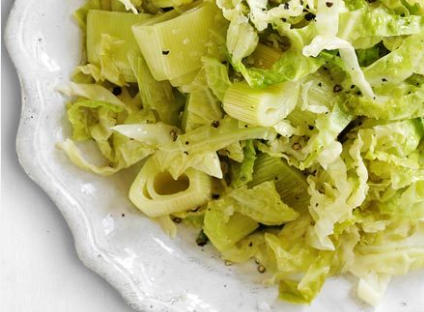
This recipe presents a delightful twist on traditional sauerkraut by utilizing rutabaga, a member of the crucifer family and a close cousin of cabbage. Fermented rutabaga kraut offers a unique flavor profile that can be enjoyed plain or enhanced with herbs and spices such as rosemary or dried orange zest. With its tangy and slightly sour taste, this kraut is a versatile condiment that can be served alongside various dishes. By using simple ingredients, you can create a delicious and probiotic-rich fermented rutabaga kraut.
Yield: About 2 quarts
(Fermentation vessel: 2 quarts or larger)
INGREDIENTS:
- 3½ pounds rutabaga
- 1–1½ tablespoons unrefined sea salt
INSTRUCTIONS:
- Using a sharp and sturdy knife, peel the rutabaga with a vegetable peeler.
- Trim off the ends and cut the rutabaga into manageable wedges that can be grated using a grater or a food processor.
- Transfer the grated rutabaga to a large bowl.
- Add 1 tablespoon of salt to the grated rutabaga.
- Massage the salt into the rutabaga using your hands.
- Taste the mixture and ensure the salt is noticeable but not overpowering. Add more salt if necessary.
- As you massage the rutabaga, it will become wet, limp, and release liquid. If the brine is insufficient, let the mixture stand, covered, for 45 minutes, and then massage again.
- Transfer a few handfuls of the salted and massaged rutabaga to a 2-quart jar or a 1-gallon crock.
- Press down on the rutabaga with your fist or a tamper to remove any air pockets.
- The pressed rutabaga should have some brine visible on the top.
- Leave 4 inches of headspace for a crock or 2 to 3 inches for a jar when packing the vessel.
- Place a piece of plastic wrap or another primary follower on top of the kraut.
- For a crock, cover the plastic wrap with a plate that fits the container’s opening and covers as much of the rutabaga as possible. Weight it down with a sealed water-filled jar.
- For a jar, use a sealed water-filled jar or a ziplock bag as a follower-weight combination.
- Place the fermentation vessel on a baking sheet and set it aside in a location out of direct sunlight.
- Allow the rutabaga kraut to ferment for 4 to 14 days, depending on your preference. Check daily to ensure the rutabaga remains submerged, pressing it down if necessary to bring the brine back to the surface.
- It is normal to observe a layer of scum on top, which is generally harmless. Refer to the appendix if you have any concerns.
- Starting from day 4, you can begin testing the kraut for readiness.
- The kraut is ready when it has developed a pleasant sour quality, indicating the fermentation process is complete.
- Transfer the fermented rutabaga kraut to jars with tightly sealed lids.
- Store the jars in the refrigerator.
- The kraut will keep refrigerated for up to 1 year.
TIPS:
- Choose firm and fresh rutabagas for the best results in flavor and texture.
- Adjust the amount of salt according to your taste preferences. Start with the suggested measurement and add more if needed.
- Massage the salt into the rutabaga thoroughly to ensure even distribution and to stimulate the release of brine.
- Allow the rutabaga to stand for 45 minutes if the brine is insufficient, then massage it again to encourage more liquid production.
- When transferring the rutabaga to the fermentation vessel, pack it tightly to remove air pockets and promote proper fermentation.
- Ensure that the kraut is fully submerged in brine to prevent contact with oxygen, which can lead to spoilage.
- Check the kraut daily during the fermentation process to ensure the rutabaga remains submerged. Press it down gently if necessary.
- Skim off any harmless scum that may form on top of the kraut during fermentation.
- Taste test the kraut starting from day 4 to determine the desired level of sourness. Allow it to ferment longer if you prefer a more pronounced flavor.